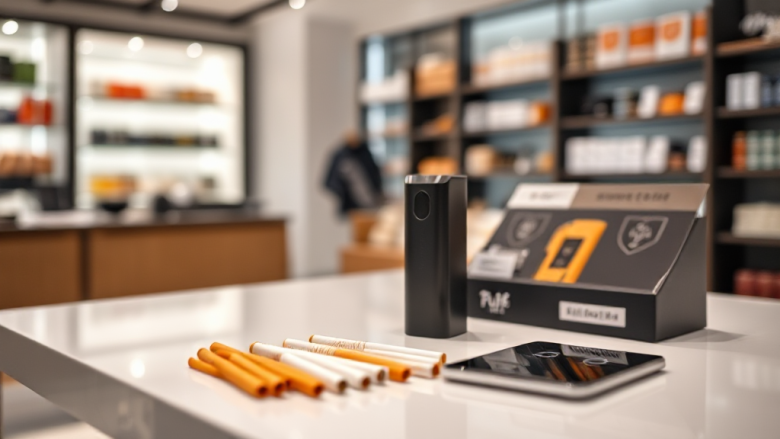
7 TEREA Mistakes Beginners Make and How Experienced Users Avoid Them
Most guides to terea start with the same predictable script: what the sticks are, which device they fit, and how to insert one. That is fine as far as it goes, but it leaves out the single most useful thing a trainer can tell a beginner — the fact that almost every frustrating early experience comes from a small number of repeatable mistakes, and that experienced users have quietly built habits around avoiding them. After coaching enough newcomers through their first weeks with heated tobacco, I have noticed the same seven errors coming up again and again. Each one looks minor in isolation. Together they decide whether someone sticks with the format or gives up on it within a fortnight.
This article is organised the way I actually teach it in person: mistake first, then the correction, then the reasoning behind the correction. If you are brand new, read the mistakes in order, because they build on each other. If you have been using heated tobacco for a while, skim to the later pairs — that is usually where experienced users discover the one or two habits they never consciously formed.
1. Treating TEREA Sticks Like a Cigarette Replacement Rather Than a Different Ritual
The mistake: Beginners light up mentally before they light up physically. They expect the same three-minute, high-intensity experience they get from a combustible cigarette, and when the first few puffs feel gentler, they conclude the product is weak or defective.
The correction: Slow down deliberately. A heated tobacco stick is designed to release flavour and nicotine gradually across a longer session, and the first thirty seconds are usually the lightest. Experienced users take slower, longer draws and give the device a moment to reach temperature before judging anything.
This is the mistake I see most often, and it is also the easiest to fix. The mental frame matters more than the hardware. If you approach a heated tobacco session expecting a cigarette, you will spend the whole session comparing rather than noticing. If you approach it as its own ritual — a slightly longer, calmer pause — the experience makes sense almost immediately. Trainers call this “resetting the expectation clock,” and it is the first thing I cover with anyone who says the format “doesn’t hit.”
2. Ignoring Which Device and Stick Generation You Actually Own
The mistake: New users buy sticks and a device separately, often from different sources, and assume compatibility is universal. It is not. Stick ranges are built for specific device families, and mixing generations produces weak vapour, poor flavour, or a device that simply refuses to heat.
The correction: Before you buy anything, confirm the exact device model you own and match it to the stick range designed for it. Keep the packaging or the product listing handy so you can check the model number rather than relying on memory.
Experienced users treat this as a non-negotiable first step. They know their device model the way a photographer knows their lens mount, and they do not improvise. Beginners, by contrast, often buy on price or convenience and then blame the product when the mismatch shows up. If you are unsure, the safest approach is to buy your sticks from a single, clearly organised source where the compatibility information is stated up front, rather than piecing a setup together from scattered listings.
3. Charging Habits That Quietly Shorten Device Life
The mistake: Leaving the device plugged in overnight, charging it from a high-output phone charger, or topping it up in short bursts throughout the day. None of these feels dangerous, so beginners keep doing them.
The correction: Charge with the cable and adapter the device was designed for, unplug once the indicator shows a full charge, and avoid charging in extreme temperatures — a hot car in summer is a genuine problem.
Battery degradation is cumulative and invisible until it suddenly is not. An experienced user notices that their device holds a charge for fewer sessions than it did three months ago and traces it back to a habit. A beginner just assumes the device is old. The practical rule is simple: treat the battery as the most expensive consumable part of your setup, because replacing a device costs far more than replacing sticks. A little discipline here saves real money over a year.
4. Storing Sticks Like Groceries Instead of Like a Sensitive Product
The mistake: Sticks get tossed in a bag, left on a sunny windowsill, or kept next to strong-smelling food. Beginners assume the packaging protects everything.
The correction: Keep sticks in their original pack, store them somewhere cool and dry, and keep them away from direct sunlight and strong odours. Heat and humidity are the two things that most reliably degrade flavour.
This is one of those corrections that experienced users make automatically and beginners never think about. If you have ever opened a pack that tasted flat or harsh compared to the same product bought fresh, storage is the first suspect. It is also worth noting that stock rotation matters: buy in quantities you will actually use within a reasonable period rather than stockpiling a year’s supply in a warm cupboard. Freshness is part of the product, not an afterthought.
5. Cleaning the Device Too Rarely — or Too Aggressively
The mistake: Two opposite errors. Some beginners never clean the heating chamber at all, and residue builds up until flavour turns bitter. Others scrub with sharp tools, alcohol-soaked cloths, or water, and damage the internal surfaces.
The correction: Clean regularly with the tools and method the manufacturer specifies — typically a soft brush or a dry wipe around the chamber — and let the device cool completely first. Never introduce liquid into the heating element.
Experienced users clean on a schedule rather than waiting for a problem. Once a week is a reasonable baseline for regular use, more often if you notice flavour carrying over between sessions. The tell-tale sign of a dirty device is a burnt or muddy taste that appears partway through a stick, especially on the second half. If you notice that, clean before you blame the product. Conversely, if you have been scrubbing hard, stop: gentle and frequent beats aggressive and occasional every time.
6. Drawing Too Hard and Too Fast
The mistake: Beginners pull on a heated tobacco device with the same force they would use on a cigarette. The result is a thin, hot, unsatisfying draw and a device that seems to underperform.
The correction: Draw slowly and steadily, letting the device do the work. Think of it as sipping rather than sucking. A gentle, consistent pull produces more vapour and better flavour than a hard one.
This is the correction that produces the most dramatic improvement for the least effort. I have watched people go from “this thing is useless” to “oh, that’s what it’s supposed to taste like” within a single session just by changing their draw. Experienced users develop this as muscle memory and forget it was ever a lesson. If you take nothing else from this list, take this one: the device is not weak, your draw is probably too strong.
7. Buying Without Checking Delivery, Payment, and Authenticity Signals
The mistake: Beginners chase the lowest listed price and ignore everything else — delivery times, payment security, whether the seller is an established retailer or a marketplace reseller of unknown origin.
The correction: Buy from a retailer that states its delivery coverage and timelines clearly, offers secure payment options, and organises products by range so you can confirm exactly what you are getting. Price matters, but it is the third or fourth thing to check, not the first.
Experienced users have usually been burned once and learned. A cheap listing that arrives three weeks late, or arrives in packaging that looks nothing like the product photos, is not a bargain. What you want is predictability: knowing the stick range, knowing roughly when it will arrive, and knowing the payment process is protected. That predictability is worth more than a small saving, especially when you are still learning which products suit you and need to be able to reorder the same thing reliably.
What Changes Once You Stop Being a Beginner
If you step back and look at all seven pairs, a pattern emerges. Beginners focus on the product and treat everything around it — expectation, compatibility, storage, cleaning, draw technique, purchasing — as background noise. Experienced users flip that: they treat the surrounding habits as the main event and the product as a constant.
That is why two people can own identical devices and identical sticks and have completely different experiences. The variable is not the hardware. It is whether the small, boring habits have been built. The good news is that every correction on this list is learnable in an afternoon. None of them requires special equipment or expertise. They require only that you notice the mistake, apply the correction once, and then repeat it until it becomes automatic.
My advice as a trainer is to pick two corrections from this list — usually the draw technique and the compatibility check — and focus on those first. Get them right for a week. Once they feel natural, add storage and cleaning. By the time you have worked through all seven, you will not be a beginner anymore, and you will probably wonder why anyone found any of it difficult.
Frequently Asked Questions
How long does a TEREA stick session usually last?
Most sessions run for a few minutes of active use, and the device will signal when the stick is finished. Beginners often stop early because the first puffs feel light; experienced users continue through the full session to get the complete flavour profile. Follow the device’s own end signal rather than guessing.
Can I use any TEREA stick with any heated tobacco device?
No. Stick ranges are designed for specific device families, and mixing them causes weak performance or a device that will not heat at all. Always confirm the exact device model you own and match it to the correct stick range before buying. If you are unsure, check the product listing rather than assuming compatibility.
Why does my device taste burnt even with a fresh stick?
In most cases it is one of two things: a dirty heating chamber, or a draw that is too hard and fast. Clean the chamber gently with the recommended tool, let the device cool first, and then try a slower, steadier draw. If both are correct and the taste persists, check whether the stick range matches your device model.
Is it worth buying sticks in bulk to save money?
Only if you will use them within a reasonable period. Sticks degrade with heat, humidity, and time, so a large stockpile stored badly can end up tasting worse than a smaller, fresher order. Buy enough to cover your normal usage, store them cool and dry, and reorder as needed rather than hoarding.
What is the single most common beginner mistake?
Drawing too hard. It is the fastest way to make a perfectly good device feel weak and flavourless, and it is the easiest to fix. Slow, steady draws transform the experience almost immediately. If you are new and frustrated, change your draw technique before you change your device or your sticks.